
Parent guide
Choosing a trilingual preschool in Klang: what to ask and what to look for
Many centres say they teach English, Bahasa Melayu and Mandarin. That label tells you which languages appear, not how your child meets them each day. These questions help you see the difference on a visit.
The short answer
Look past the label. In a trilingual preschool your child should hear, speak and play in English, Bahasa Melayu and Mandarin often enough to use them, and each language should have its own way into reading. Ask each centre to show you what that looks like on an ordinary day: who speaks which language, when, and what the children actually do with it.
Why the label alone tells you little
Trilingual can describe very different weeks. In one centre a child may meet Mandarin in a daily lesson, in songs and in conversation at lunch. In another, Mandarin may be one short class a week. Both can honestly say they teach three languages. The difference only shows when you ask about time, people and practice.
It also helps to know that the three languages are learnt in different ways. Early English reading usually starts with letter sounds, or phonics. Bahasa Melayu reading commonly builds on syllables, or suku kata, such as ba, bi, bu. Mandarin uses characters, often with pinyin as a guide to pronunciation. A thoughtful programme treats each language on its own terms rather than running one method across all three. Our guide to letter names and letter sounds covers the English side.
Five things to ask about
| Topic | What to ask | A useful answer sounds like |
|---|---|---|
| Time | How is the week shared between the three languages? Is each one taught every week, or in turns? | Which days or sessions each language comes up, rather than simply that all three are taught. |
| People | Who speaks each language with the children: the class teacher or a visiting teacher? | Clear roles, and whether children also hear the language outside lessons, at meals, play or tidy up time. |
| Reading | How does reading start in each language? | A different starting point for English, BM and Mandarin, and how children read on their own or in small groups. |
| Talk | Where do children get to speak, not just listen? | Examples such as show and tell, retelling a story, songs, questions and answers or role play. |
| Home language | What happens if my child mostly speaks one language at home? | Teachers ask which languages your child already has, and can explain how they help a child who is new to one of them. |
Examples to ask to see
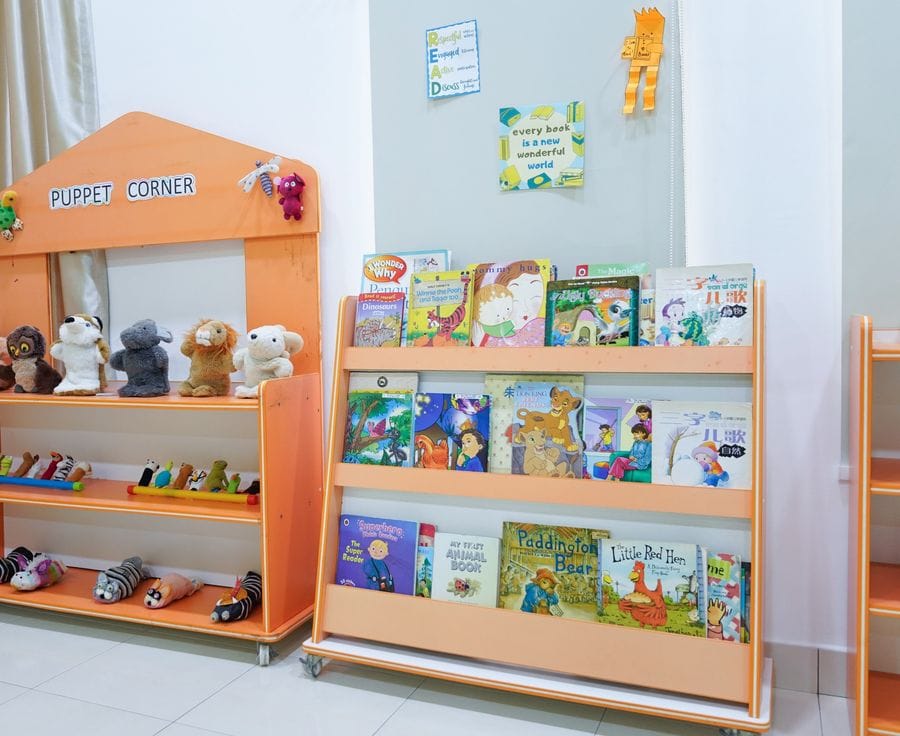
- The book corner: are there picture books in more than one language, within the children's reach?
- Displays or children's work in each language, such as a BM syllable chart, English sound cards, or Chinese characters with pinyin.
- A song, rhyme or story the class is learning this month, in each language.
- Part of a lesson, or photos and videos shared with parents, showing children speaking rather than only copying.
- How progress in each language is shared with you.
A school cannot always show every class on the day you visit, and that is fine. What you are looking for is something concrete: a book, a chart, a song, a routine.
Questions that tell you more than a yes or no
- Ask "What would my child do in Mandarin on a Tuesday morning?" rather than "Do you teach Mandarin?"
- Ask "How would you know if my child was finding Bahasa Melayu hard, and what would you do?"
- If you are already thinking about Year 1 at an SJKC, a national school or another school, ask what would help at home.
Be careful with any promise of fluency by a certain age. Children pick up languages at different speeds, and much depends on how often they use each one outside school.
What you can do at home
You do not need to speak all three languages. Talk, read and play in the languages your family uses, and let school add the others. UNICEF's parenting resources describe play and everyday activities as learning opportunities, and its Care for Child Development materials describe responsive play and communication between adult and child as a way for children to practise language. Short, warm conversations count. Our trilingual story prompts give you ready made starters in English, Bahasa Melayu and Chinese.
At SunnySeeds
So you can compare like with like, here is how the three languages appear in our own programmes. Our Preschool for age 4 has Cambridge English with phonics, covering listening, speaking, reading and writing; Bahasa Melayu through suku kata, with storytelling, poetry, questions and answers and singing; and Mandarin with new words, pinyin, strokes and stroke order, story retelling, rhymes and tongue twisters. Children also read individually in all three. Nursery, for ages 2 to 3, starts with Cambridge English with phonics and basic Mandarin. The subject by subject detail is on our curriculum page.
Please ask us the same questions you ask any other school. We cannot promise a level of fluency, but we can show you what a morning looks like.
Sources
- UNICEF, Care for Child Development: responsive play and communication
- UNICEF Parenting, Playbox: resources for parents on play and everyday activities
Sources checked 4 November 2026. Official pages can change, so check the source before acting on a date or rule.
Related guides
- Phonics or the alphabet: letter names, letter sounds and how English reading startsThe difference between knowing English letter names and letter sounds, why sound play comes first, and gentle ways to practise at home.
- Storytelling at home in three languages: story prompts in English, Bahasa Melayu and ChineseOriginal story starters in English, Bahasa Melayu and Simplified Chinese, with printable cards and ideas for following your child's lead.
- All parent guidesTwelve guides for parents of children aged 2 to 6.
FAQ
Questions parents ask
What does a trilingual preschool mean in Malaysia?
Usually a preschool that teaches English, Bahasa Melayu and Mandarin. The word alone does not tell you how much time each language gets, who teaches it, or how reading starts in each, so ask the centre to describe an ordinary week.
Will my child become fluent in three languages at preschool?
No preschool can promise that. Children pick up languages at different speeds, and how often they use each language at home and outside school matters a lot. Ask how the school supports a child who is new to one of the languages, and how it shares progress with you.
Book a school visit
Come during morning school hours to see what we do, and bring your child along.