
Parent guide
Preschool science activities at home: predict, try, notice
Science for young children starts with wondering what will happen, trying it and noticing the result. Here are four simple activities with everyday materials and an adult close by, and a printable sheet for drawing what you find out together.
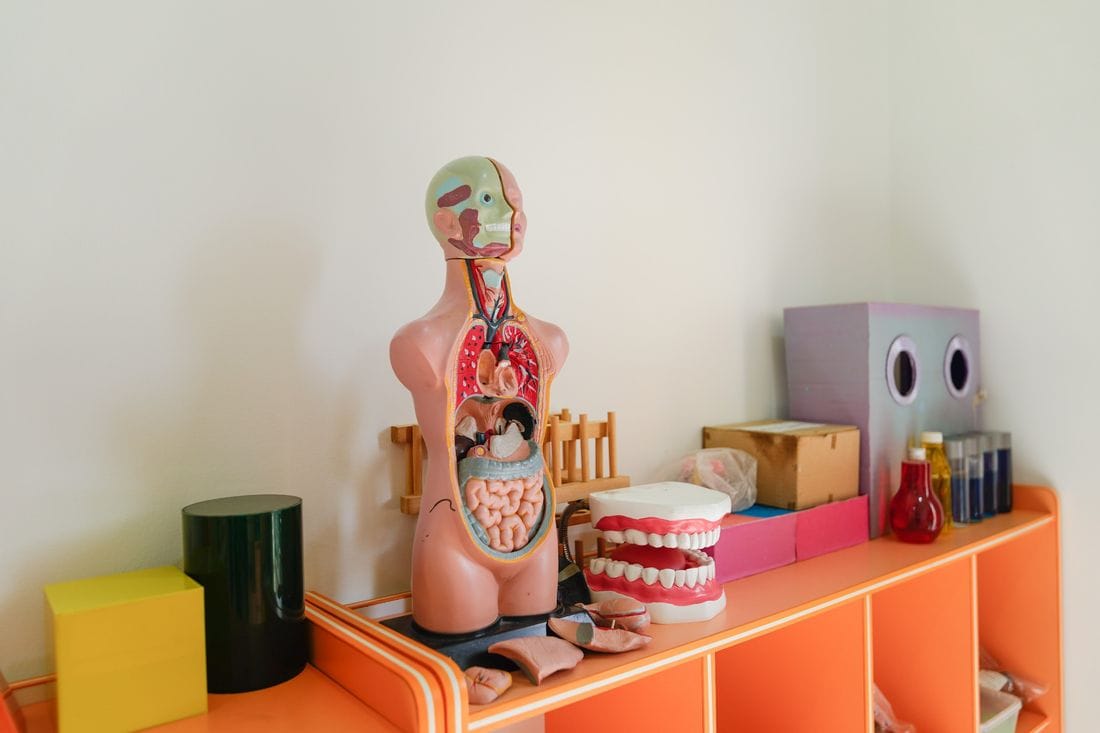
The short answer
For a young child, science is mostly asking "what will happen if...?", trying it and talking about what they saw. You do not need a kit. A tray on a cushion, a sheet of paper or a pile of clean fabric is enough. Ask your child to guess first, try it together, then notice what happened and whether it matched the guess. A result that differs from the guess is not a mistake; it is often the most interesting part.
About these ideas. The four activities and the Predict, Try, Notice sheet in this guide were written by SunnySeeds Academy for families to try at home with an adult. They are not our lesson plans or class routine, not a test and not scored.
Predict, try, notice
- Predict. Before you start, ask "what do you think will happen?" Any answer is welcome, including "I don't know".
- Try. Do it together, slowly. Try it again if your child wants to.
- Notice. Ask "what happened?" and "was it what you thought?" Your child can say it, point or draw it on the sheet.
UNICEF's parenting guidance on introducing science to toddlers describes young children exploring with an adult nearby, and adults encouraging their questions and observations. We use that as general background only. It does not describe our curriculum, and the activities below are our own.
Four supervised activities
Each one takes a few minutes. Stay with your child the whole time, from setting up to tidying away, and stop while it is still fun.
1. Rolling down a ramp
You need: a tray, a large chopping board or a big hardback book, one or two cushions, and two or three balls too large to fit in your child's mouth, such as a soft foam ball and a large plastic ball.
Rest one end of the tray on a cushion on the floor so the slope is gentle, and clear the space in front of it. Ask your child which ball they think will roll the furthest. Let each ball go from the top without pushing, and see where it stops. Then add a second cushion to make the slope a little higher and try again. Keep the ramp on the floor.
Notice: Which ball went furthest? What changed when the slope was higher?
2. Paper shadows
You need: a sheet of thick paper or card, cut by an adult into a large simple shape such as a circle or a star, and daylight.
On a bright day, stand near a sunny window or outside in the morning or late afternoon, with the sun behind you. Never look at the sun. Hold the paper shape up and find its shadow on the floor or ground. Ask your child what they think the shadow will do, then hold the shape close to the ground, lift it higher, and tilt it.
Notice: Were the shadow's edges sharp or fuzzy? What happened to its shape when you tilted the paper?
3. Paper bridges
You need: two books of the same thickness, a few sheets of plain paper, and one light thing such as an empty paper cup.
Place the books on the floor with a gap between them, narrower than the paper is long. Lay one flat, wide sheet across the gap. Will it hold the empty cup? Set the cup on gently and see. Then fold another sheet back and forth like a fan, lay it across and try again. Keep the load light: this is about noticing how folding changes paper, not about piling things on.
Notice: Which bridge bent? What did folding change?
4. Fabric textures
You need: three or four large, clean, button free pieces of towelling, cotton, denim and fleece. No small scraps, buttons or loose threads.
Lay the fabrics out on the floor. Ask your child which one they think will feel the softest and which the roughest, then touch each one with open hands. Fold each one and talk about which is easiest to fold. Words such as soft, rough, smooth, bumpy, stretchy, thick and thin all help.
Notice: Was the softest one the one you guessed? Which words fit each fabric?
Keeping it safe
- An adult stays with the child for every activity.
- Use only large objects that cannot fit in a mouth. Leave out marbles, beads, small balls, buttons and other small parts.
- Leave out magnets, button batteries and other batteries, heat, flames, hot water, chemicals, cleaning products and anything to taste or eat.
- Keep the ramp and the bridge on the floor, and clear the space so nobody trips.
- Never look at the sun, directly or through anything. Look at the shadow on the ground instead.
- An adult does any cutting and puts the scissors away afterwards.
Questions that keep children thinking
- "What do you think will happen?"
- "Why do you think that?"
- "Was it the same as you guessed, or different?"
- "What could we change next time?"
Your child can answer in English, Bahasa Melayu, Mandarin or the language you speak at home. If your child asks something you cannot answer, "let's find out together" is a good reply.
Every child explores at their own pace
These activities are not a test, and there is no answer a child should reach by a certain age. Some children want to repeat the same thing many times; that is part of exploring. If you have questions about your child's progress, ask their teacher what they see in class.
At SunnySeeds
Science is part of the programme we publish for preschool and kindergarten, and our curriculum includes STEAM for preschool and kindergarten, through age appropriate exploration and experiments. This guide does not describe how those lessons run, so ask your child's teacher. See where science fits on our curriculum page. For more home ideas, our guide to shapes and patterns has six printable activity cards, and fine motor play has six supervised activities.
Printable
Predict, Try, Notice sheet
Four activities to do together, with an adult close by the whole time. Talk through each step, then draw or write what you noticed in the space. Any answer is welcome and there is no score.
SunnySeeds Academy · sunnyseeds.com.my
Rolling down a ramp
PredictWhich ball will roll the furthest? What if the slope is higher?
TryRest a tray on a cushion on the floor. Let each large ball roll down without pushing. Add a second cushion and try again.
NoticeWhich ball went furthest? What changed when the slope was higher?
Paper shadows
PredictWhat will the shadow do when the paper moves or tilts?
TryIn daylight, keep the sun behind you and never look at it. Hold a paper shape up, then lower it, lift it and tilt it.
NoticeWere the edges sharp or fuzzy? What happened to the shape when you tilted it?
Paper bridges
PredictWill a flat sheet hold an empty paper cup? Will a folded one?
TryLay a wide sheet across two books on the floor and set the empty cup on it gently. Then fold a sheet like a fan and try again.
NoticeWhich bridge bent? What did folding change?
Fabric textures
PredictWhich fabric will feel the softest? Which the roughest?
TryLay out large, clean, button free pieces of towelling, cotton, denim and fleece. Touch each one with open hands.
NoticeWas it what you guessed? Which words fit: soft, rough, smooth, bumpy, stretchy?
A home observation sheet written by SunnySeeds Academy, 4 November 2026. Not a test, not scored and not a SunnySeeds lesson plan. An adult supervises every activity.
Sources
Sources checked 4 November 2026. Official pages can change, so check the source before acting on a date or rule.
Related guides
- Preschool shapes and patterns: simple activities at homeNoticing sides and corners, copying and extending repeating patterns, and words like on, under and next to. Supervised home activities with six printable cards.
- Fine motor play at home: six supervised activities with everyday materialsSix supervised hand and finger activities with large, safe household materials, with steps, adaptations, cleanup and a printable planner.
- All parent guidesNineteen guides for parents of children aged 2 to 6.
FAQ
Questions parents ask
Does my child need a science kit?
No. Everyday materials such as a tray, cushions, paper and clean fabric are enough for the activities in this guide. For young children, leave out kits with small parts, magnets, batteries or chemicals.
What if my child's guess does not match what happens?
That is fine, and often the most interesting part. Ask what happened and what surprised them. A guess is not a test and there is no score.
Do I need to print the sheet?
No. You can talk through predict, try and notice out loud. The sheet gives your child space to draw or write what they noticed, if they enjoy that.
Book a school visit
Come during morning school hours to see what we do, and bring your child along.